
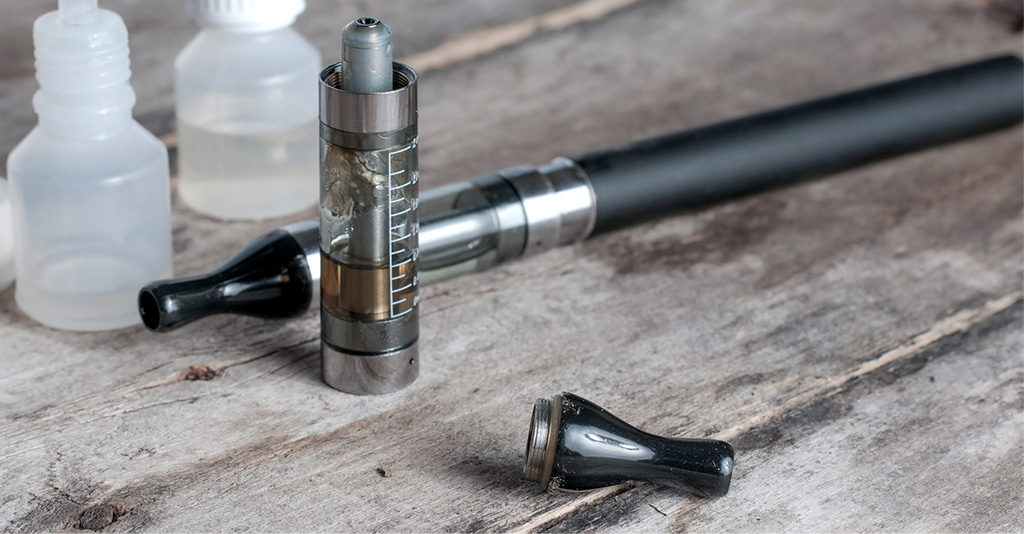
Whether you vape regularly or are just starting out, understanding the make of vape pens can be beneficial. It may help troubleshoot common issues. It is also helpful in enjoying vaping. Moreover, if you understand the anatomy of a THC vape pen, you can differentiate between good and poor-quality pens.
A THC vape pen looks simple: a slim battery on one end, a small tank or cartridge on the other. Press, inhale, done.
But the clean outside looks hides a lot of engineering. If you understand the pieces: cartridge, battery, and coil; you’ll get better flavour, fewer problems, and a safer, more consistent experience.
Cartridges: where the oil lives
The cartridge is the tank that holds your legal low‑THC formulation (in the UK, less than 1 mg THC per container). It does more than store oil. It meters airflow, seals scents, keeps contaminants out, and feeds the coil at a steady rate.
Most UK users choose 510-thread cartridges because they’re widely compatible. Inside, you’ll find a centre post for current, a shell, seals, and a wicking path that carries oil to the heating element. Viscosity matters here.
Mouthpiece shape is not just style. A narrow bore concentrates flavour; a wider one increases airflow and vapour volume. Good cartridges use food-grade materials and robust seals, so the oil stays stable and the terpenes don’t evaporate between sessions.
Batteries: the quiet workhorse
Your battery decides how quickly the coil heats, how hot it gets, and how repeatable each puff feels. With a basic pen, the device provides a fixed output. It’s simple and reliable. With a variable‑voltage battery, you can tune flavour and vapour density to the oil you’re using.
Think in ranges, not rules. Many legal UK oils taste clean at about 2.8–3.4 V on typical 510 pen batteries. Push higher and you’ll get more vapour but risk burning delicate terpenes. Drop lower and flavour can bloom, but you may sacrifice cloud size.
Coils: where chemistry meets heat
The coil is the heart. It’s the interface between oil and energy, and tiny differences here change everything.
Ceramic coils spread heat evenly across a porous ceramic core. They excel at flavour accuracy and consistency, which is why many premium carts use them. Ceramic holds heat for a moment after you stop firing, so short, steady puffs tend to shine. We highly recommend these kinds of coils.
Quartz coils heat fast and cool fast. That quick response gives a snappier inhale and can help thicker oils wake up without long pre-heats. Some users prefer the “crisp” top notes quartz delivers, especially on citrus-forward terpene blends.
Cotton‑wicked coils are less common in high-end legal carts, but still appear. Cotton wicks soak oil readily and can feel familiar to people coming from nicotine devices. They do, however, scorch if driven too hot or too dry, so careful power control matters.
How the parts work together
Airflow passes through the mouthpiece, across the coil, and down the centre post. As you inhale, negative pressure helps pull oil through the wick at a rate that should match vaporisation. If the oil can’t reach the coil quickly enough, you’ll get a dry, scratchy puff. If it floods the coil, you’ll hear gurgling and taste muted flavour. Good design balances those forces; good use respects them.
Temperature is the quiet variable joining it all. Too hot and terpenes degrade, leaving a burnt aftertaste. Too cool and cannabinoids won’t aerosolise efficiently.
That’s why a sensible voltage setting, the right coil, and a cartridge matched to the oil’s viscosity all matter at once. Also, remember that proper care extends the life of your THC vape pen and significantly contributes to the vaping experience. Understanding the anatomy of a vape pen can help in the maintenance process.
The payoff for knowing your kit
Once you understand how cartridges, batteries, and coils work together, you can tune your pen instead of fighting it. Flavour returns. Draws feel consistent. Troubleshooting becomes calm and quick.
And when you’re ready to explore, choose shop-verified, lab-tested products that meet UK rules (under 1 mg THC per container) and publish batch results. Quality oil and sound hardware make the engineering above sing.
